

Understanding Menopause
Support Shaped Around Your Life Stage
Your hormones never clock off. Around the clock they regulate, rebalance and respond to everything you do — yet some chapters of life make themselves heard far more loudly than others. Perimenopause, menopause and the years beyond each bring their own hormonal shifts, and their own nutritional priorities.
EQUILI was created for exactly these chapters: four plant extracts chosen to sit alongside your body’s own rhythm, so you can support your wellbeing where you are right now.
What Is Menopause?
Menopause is not a single event but a transition that unfolds over years.
The ovaries gradually produce less estrogen and progesterone, the monthly cycle becomes irregular and finally stops, and the body adjusts to a new hormonal baseline.
Doctors describe it in three stages.
Perimenopause
Usually the 40s, sometimes the late 30s. Estrogen no longer follows a steady monthly rhythm — it swings, often higher and lower than before, while progesterone declines.
Cycles shorten, lengthen or skip, and hot flashes, night sweats, sleep and mood changes may begin. This stage lasts around four years on average, but anywhere from a few months to a decade is normal.
Menopause
Confirmed after 12 consecutive months without a period.
Menopause itself is a single point in time, diagnosed looking back.
The average age in Europe is around 51, and between 45 and 55 is typical.
Symptoms are often at their most noticeable in the year or two either side of this point, because estrogen has now settled at a much lower level.
Postmenopause
Every year after that.
Hot flashes ease for most women over time, though for some they persist for many years.
The longer-term picture shifts to what low estrogen means for bone, heart, skin and the urogenital tract.
This is the stage where diet, movement and, where appropriate, medical support matter most for the decades ahead.
What Changes — and Where Nutrition Fits
Estrogen has receptors all over the body, so its decline is felt in more than one place.
Here is what happens system by system, what general nutrition matters, and where EQUILI's extracts fit.
Hot flashes & night sweats
Falling estrogen narrows the brain's thermostat, so small temperature changes trigger a full flash. Around three in four women experience them, and the median duration is several years.
Common triggers include alcohol, caffeine, spicy food, warm rooms and stress.
In EQUILI: this is what red clover and sage are studied for. Red clover isoflavones at 40 mg a day and sage leaf extract are the two most-trialled plant extracts for hot flashes and night sweats — see the research summaries below.
Sleep & mood
Night sweats fragment sleep, and hormone swings affect serotonin and GABA pathways.
Low mood, irritability, anxiety and "brain fog" are common in perimenopause and usually improve after the transition. Regular exercise, consistent sleep timing and cognitive behavioral therapy all have supporting evidence.
In EQUILI: several red clover trials reported better mood and less anxiety alongside fewer flashes, and the blinded sage trials reported better sleep. Fewer night sweats usually means better sleep on their own.
Bone
Estrogen restrains the cells that break bone down. Bone loss accelerates in the years around the final period and slows again afterwards. Adequate calcium and vitamin D, enough protein, and weight-bearing or resistance exercise are the evidence-based foundations. Your doctor can advise on bone-density screening.
In EQUILI: EQUILI is not formulated for bone. Calcium, vitamin D, protein and resistance exercise are what the evidence supports here, so keep those in place whatever else you take.
Skin, hair & nails
Estrogen supports collagen production and skin hydration. Both decline after menopause, and hair may thin.
Protein, vitamin C (needed for collagen formation), zinc and sun protection are the basics.
In EQUILI: Red clover isoflavones have been studied for skin and hair in postmenopausal women (one 90-day trial). Horsetail comes at the same problem from the mineral side, as the traditional plant source of silica for hair, skin and nails, standardized to 7%.
Heart & metabolism
After menopause LDL cholesterol tends to rise, fat shifts towards the abdomen, and cardiovascular risk gradually catches up with men's.
Fiber, omega-3 fats, limited alcohol, not smoking and regular activity matter more now than at any earlier stage.
In EQUILI: EQUILI is not formulated for heart or cholesterol. Diet, activity and a lipid check with your GP are what matter here.
Urogenital & intimate health
Vaginal dryness, discomfort and more frequent urinary infections are common and, unlike hot flashes, tend to persist or worsen with time.
Local (vaginal) estrogen is highly effective and is worth raising with a doctor — many women never do.
In EQUILI: EQUILI is not formulated for urogenital symptoms. Local estrogen from your doctor is the effective option, and it is worth asking about.
How EQUILI’s Four Extracts Help
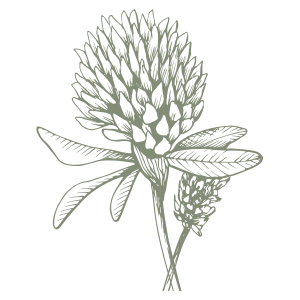
Red Clover · 200 mg
Standardised to 20% isoflavones
40 mg/day, the dose used in most menopause trials.
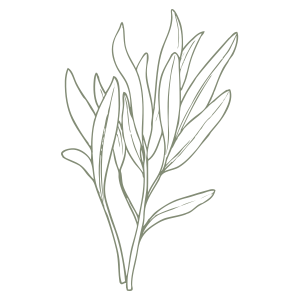
Sage · 175 mg
10:1 Sage leaf extract
Centuries of traditional use for excessive sweating.
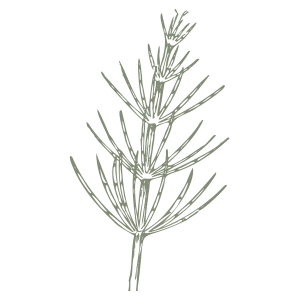
Horsetail · 120 mg
Standardised to 7% silica
A traditional plant source of silicon, long associated with hair, skin and nails.
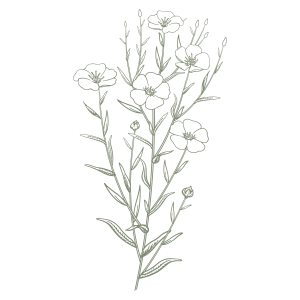
Flaxseed lignans · 75 mg
10:1 Flaxseed lignans extract
Gut bacteria convert lignans into enterolactone, a weak plant oestrogen.
Vegan, Plant based , Gluten-free, Allergen-free
Vegan HPMC (Hydroxypropylmethyl cellulose) capsule, plant cellulose and vegetable magnesium stearate.
No colours, sugar, gelatin, gluten, soy, milk, nuts or shellfish.
The Formula You Can Trust
EQUILI's extracts are chosen for their traditional use in women's health and the research behind them.
The summaries here describe what the studies found, so you can judge the evidence for yourself.
EQUILI is a food supplement, not a medicine, and individual responses vary.
Each ingredient has its own fully referenced page: red clover, sage, horsetail and flaxseed lignans.
If you want to know how we read studies, see How to Read a Supplement Study.
What the research actually says
Red clover isoflavones are the most-studied of our four extracts. Several meta-analyses of placebo-controlled trials report fewer daily hot flashes at 40–80 mg of isoflavones per day, with the clearest effect in women who start with frequent flashes (five or more a day). EQUILI provides 40 mg. Not every trial agrees: some well-run studies found no difference from placebo, and the independent Cochrane review judged the overall evidence inconclusive. Trials typically ran 12 weeks, which is why we suggest a 3-month supply. Full review with references →
One 12-week trial in perimenopausal women found less bone-density loss at the spine and hip with red clover extract than with placebo, while a one-year trial in postmenopausal women found no difference. On blood lipids, some reviews report modest improvements in LDL and HDL cholesterol in postmenopausal women, and a 2020 review found no effect. The evidence is too thin to build on, so EQUILI is formulated for menopausal symptoms, not for bone or heart. Full review →
Sage is not a phytestrogen. Its traditional use is for excessive sweating, and that is what the trials looked at. Two blinded, placebo-controlled trials reported fewer and milder hot flashes and night sweats over 8–12 weeks, along with better sleep. The often-quoted "64% reduction in flashes" comes from a 2011 study with no placebo group, so we don't lead with it. A 2023 meta-analysis pooled the trials and found a trend in sage's favor, not yet statistically conclusive. Promising, and well tolerated. Full review with references →
How flaxseed lignans work is well understood: gut bacteria convert them into enterolactone, a gentle plant estrogen. Whether that translates into fewer symptoms depends heavily on the woman. Most trials used whole flaxseed rather than a concentrated extract, and the results were mixed, largely because some women convert lignans efficiently and others barely at all. That microbiome link is the idea Le Microbiome is built around. Full review → · Why plant supplements work for some women and not others →
Horsetail is included for its silica content and its long traditional use for hair, skin and nails, standardized to 7% silica so the amount is the same in every capsule. The human trial evidence for oral horsetail on its own is limited, and the hair and nail studies used topical or multi-ingredient products. We present horsetail as traditional use rather than proven benefit, and it is not in EQUILI for bone. Full review →
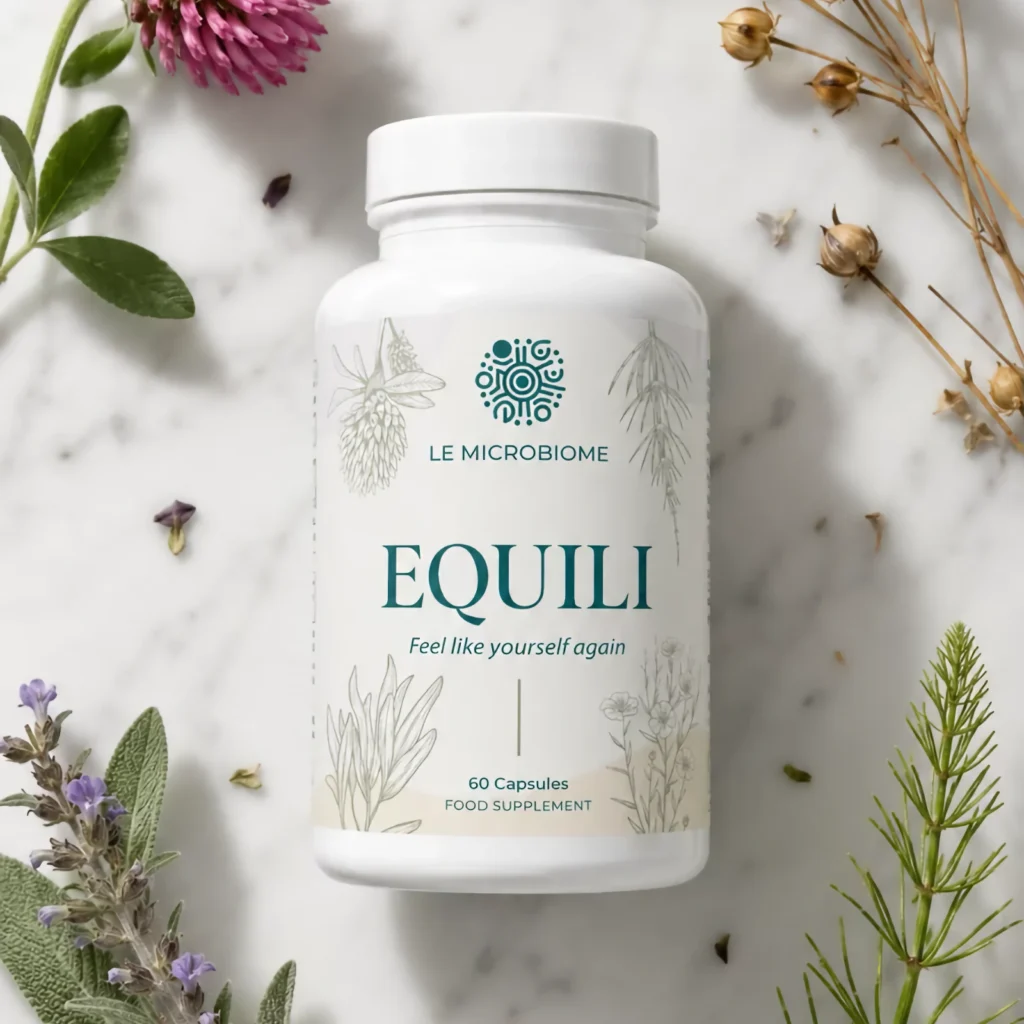
EQUILI Isoflavones – Feel like yourself again
EQUILI is a plant-based supplement formulated for women in perimenopause and menopause.
Two vegan capsules a day provide 40 mg of Red clover isoflavones, the dose used in the longest safety study, together with Sage, Horsetail and Flaxseed lignan extracts, each at a declared strength.
Safety: Who Should Check With a Doctor First
Plant extracts are generally well tolerated, and red clover has a three-year safety study behind it at 40 mg of isoflavones a day.
"Natural" is still not the same as "suitable for everyone". Because Red clover isoflavones act weakly like estrogen, and because herbs can interact with medicines, please talk to your doctor or pharmacist before taking EQUILI if any of the points on the right apply to you.
Reported side effects are uncommon and mild: occasional headache, nausea, or spotting.
Stop and seek advice if anything unexpected occurs.
Food supplements should not be used as a substitute for a varied, balanced diet and a healthy lifestyle.
Do not take EQUILI if you are:
- Pregnant, trying to conceive, or breastfeeding — there is no safety data for any of the four extracts in these situations.
- Under 18.
Ask your doctor or pharmacist first if you:
- Have or have had a hormone-sensitive condition — breast, ovarian or endometrial cancer, endometriosis or fibroids.
- Take tamoxifen, aromatase inhibitors, HRT or the contraceptive pill — red clover may interact with hormone-acting medicines.
- Take anticoagulants or antiplatelet drugs (warfarin, aspirin, clopidogrel), or have a bleeding disorder — red clover may slow clotting. Stop at least two weeks before planned surgery.
- Take methotrexate, antidepressants, lithium or diuretics.
- Have liver or kidney disease, or a history of seizures (sage contains small amounts of thujone).
- Are taking any other regular medication — interaction data for herbal extracts are limited.
Your Options: Lifestyle, Medical Treatment, Supplements
Three routes, and they are not exclusive.
Most women combine them, and knowing the whole picture helps you choose what fits you.
Lifestyle
The best-evidenced non-drug measures are unglamorous: regular exercise (including resistance work for bone and muscle), keeping a healthy weight, limiting alcohol, not smoking, a cool bedroom, and cognitive behavioral therapy, which UK guidance recommends for hot flashes, sleep and low mood. Layered dressing and avoiding personal triggers help many women day to day.
Medical treatment
Hormone replacement therapy (HRT) is the most effective treatment for hot flashes and night sweats and also protects bone. UK and European guidelines consider the benefits to outweigh the risks for most healthy women who start before 60 or within ten years of menopause. The balance is individual and worth a proper conversation with a doctor. Non-hormonal prescription options exist for women who cannot or prefer not to take HRT, and local vaginal estrogen is safe for most women with urogenital symptoms.
Food supplements
Plant extracts such as red clover and sage sit between lifestyle and prescription: milder than HRT, backed by real trial evidence, and the right fit for many women.
They suit women with mild-to-moderate symptoms who prefer a plant-based route, cannot take HRT, or want something alongside lifestyle changes. They are not a treatment for osteoporosis, heart disease or severe symptoms.
EQUILI does not make health claims — here is why.
Frequently Asked Questions
If you are over 45 with changing cycles and typical symptoms, doctors usually diagnose on symptoms alone. Hormone blood tests are unreliable at this stage because levels swing from week to week. Under 45, or if symptoms are unusual, a doctor may test to rule out other causes such as thyroid problems.
Longer than most women expect. Large cohort studies put the median at around seven years, and roughly one woman in three has them for a decade or more. Starting early in perimenopause tends to mean a longer course.
Give it 8–12 weeks. That is how long red clover and sage were taken in the trials before outcomes were measured, which is why the 3-month supply is the sensible starting point. Everyone responds differently, so keep a simple flash diary before you start and again at 12 weeks — it is the clearest way to see what has changed.
Ask your prescriber. There are no studies of red clover combined with HRT, and because both act on estrogen receptors we do not recommend combining them without medical advice. The same applies to the contraceptive pill, tamoxifen and aromatase inhibitors.
The longest trial ran three years at 40 mg of isoflavones a day — the same daily amount as in EQUILI — in women with a family history of breast cancer, and found no increase in breast density, endometrial thickness or hormone changes compared with placebo. That is reassuring. Women with a personal history of hormone-sensitive cancer should still take advice first.
Mostly gut bacteria. Isoflavones and lignans are converted into their active forms by intestinal microbes, and how well that happens differs from woman to woman. Starting symptom severity plays a part too. We wrote a longer piece on this →
Because most women already get them from food or a basic multivitamin, and because adding a token 15% of a nutrient's reference value mostly serves to put an authorized health claim on the label. If you are short of calcium, vitamin D or iron, address that specifically — ideally after a blood test — rather than through a menopause blend.
Four Plant Extracts, No Promises We Can't Keep
Red clover 200 mg · Sage 175 mg · Horsetail 120 mg · Flaxseed lignans 75 mg — per two-capsule daily dose.
| Supply | Price | Per bottle | |
|---|---|---|---|
| 1 bottle (1 month) | 39,99 € | 39,99 € | |
| 3 bottles (3 months) | 104,97 € SAVE 15 € | 34,99 € | Most popular |
| 6 bottles (6 months) | 191,94 € SAVE 48 € | 31,99 € | Best value |
Discount is applied automatically in the cart.