
Ingredients Glossary
Menopause supplement ingredients, reviewed one by one
Every ingredient in Le Microbiome supplements is selected on the strength of published research into women’s hormonal health during perimenopause and menopause.
Each one has its own fully referenced review here: what it is, what the trials found, the dose we use and why, and the safety points that matter.
Vegan
Gluten free
Sugar free
GMP
What is in EQUILI, and how strong the evidence is
Four plant extracts per two-capsule daily dose.
Every dose and strength is on the label, and each review below sets out what the trials found.
200 mg · Best studied
Red clover
Standardized to 20% isoflavones — 40 mg a day, the dose used in most menopause trials. Several meta-analyses of placebo-controlled trials report fewer hot flashes.
175 mg · Two blinded trials
Sage
10:1 leaf extract. Centuries of traditional use for sweating, and two placebo-controlled trials reporting fewer hot flashes and night sweats. Not a phytestrogen.
120 mg · Traditional use
Horsetail
Standardized to 7% silica. The traditional plant source of silicon for hair, skin and nails, used for generations.
75 mg · Microbiome-activated
Flaxseed lignans
10:1 seed extract. Gut bacteria convert lignans into enterolactone, a gentle plant estrogen — the microbiome link Le Microbiome is built around.
Want to judge the studies yourself?
Read How to Read a Supplement Study (Without Being Fooled).
The full reviews
-
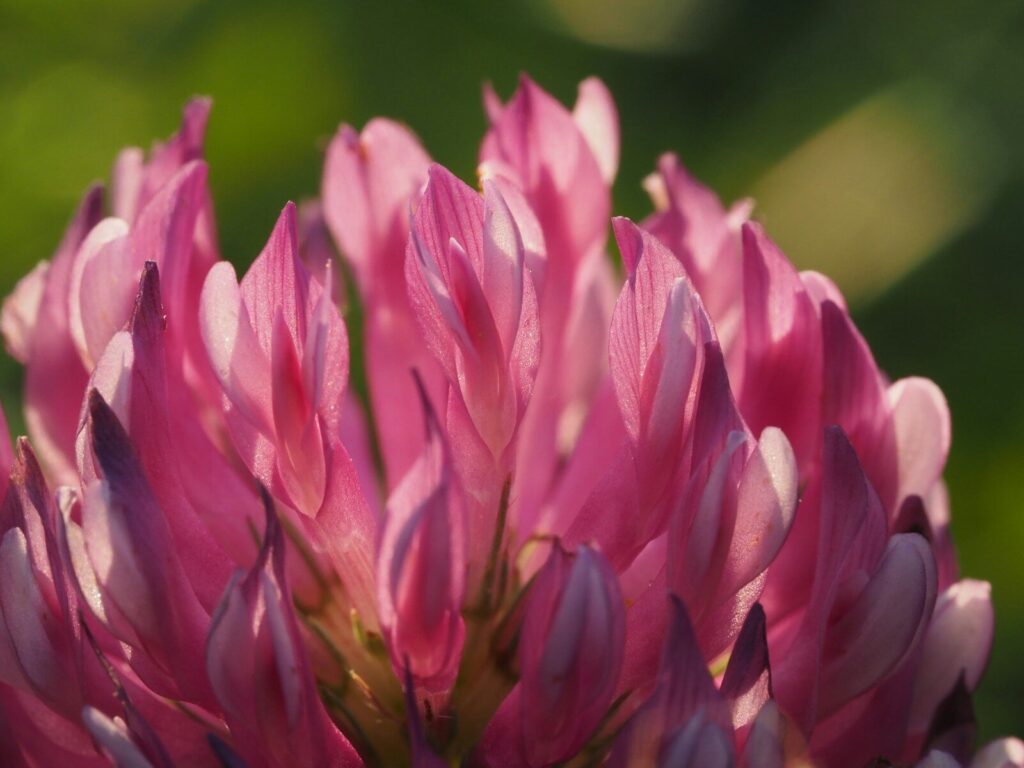
Red Clover (Trifolium pratense)
Read more →: Red Clover (Trifolium pratense)A plain-language, fully referenced review of red clover isoflavones and menopause: how they work, what the placebo-controlled trials found for hot flashes, the 40 mg dose and its three-year safety record, and who should check with a doctor first. Read more →
-
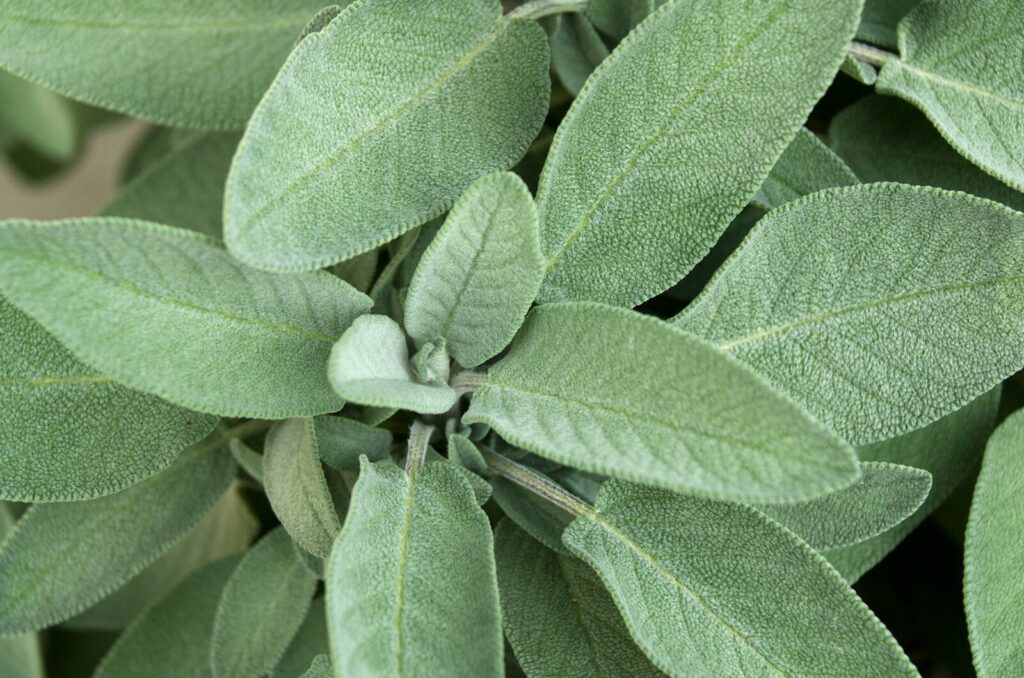
Sage (Salvia officinalis)
Read more →: Sage (Salvia officinalis)A plain-language, fully referenced review of sage and menopause: what is in the leaf, why sage is not a phytoestrogen, what the two blinded trials found for hot flashes and night sweats, and what to know about thujone and safety. Read more →
-
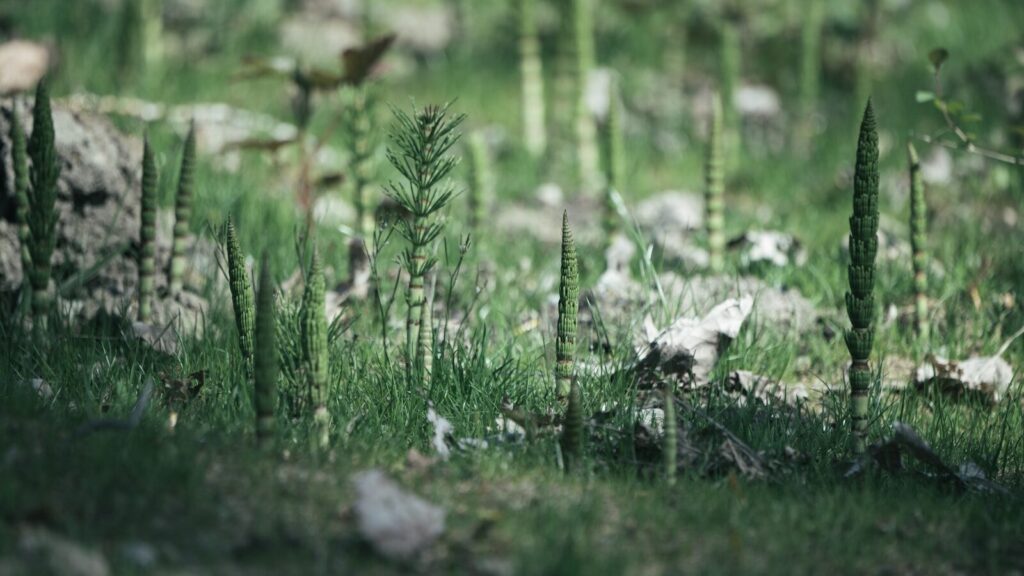
Horsetail (Equisetum arvense)
Read more →: Horsetail (Equisetum arvense)A plain-language, fully referenced review of horsetail and menopause: what silica is and how much is absorbed, what the silicon research shows, what has been tested for hair, skin and nails, and why species identity matters. Read more →
-
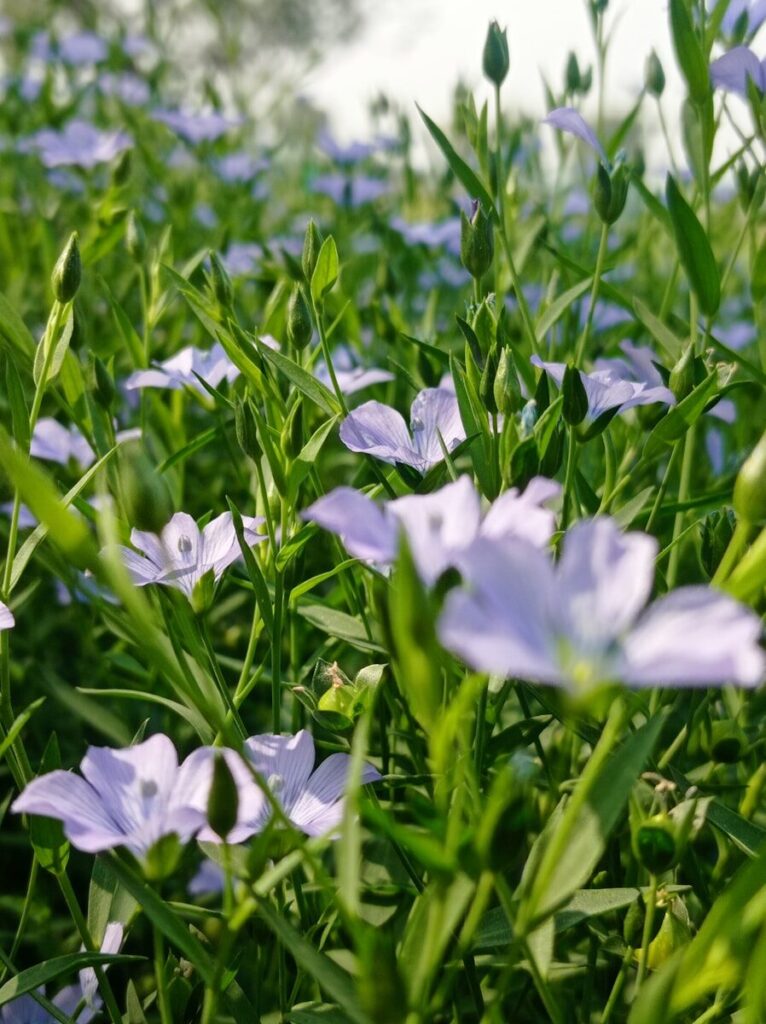
Flaxseed Lignans (Linum usitatissimum)
Read more →: Flaxseed Lignans (Linum usitatissimum)A plain-language, fully referenced review of flaxseed lignans and menopause: how gut bacteria turn them into enterolactone, why response differs from woman to woman, and what the trials found for hot flashes. Read more →
How to read the evidence labels
Three terms come up in every review and on the EQUILI label. Here is what they mean.
Placebo-controlled
Half the women in the study took the extract and half took an identical dummy capsule, without knowing which. It is the only design that separates a real effect from expectation, and it is the standard we hold every ingredient to.
Standardized to 20%
The extract is tested so that a fixed share of it is the active compound, in this case 20% isoflavones, so 200 mg of red clover extract always gives 40 mg. An unstandardized herb can vary several-fold from batch to batch.
Traditional use
The herb has a documented history of use for a purpose, recognized in the European Medicines Agency’s herbal monographs, but has not been tested for it in modern trials. It tells you the plant is well known and well tolerated, not that it has been proven.
Why these four together
Each ingredient is in EQUILI for a different reason. Red clover supplies the isoflavone dose that most menopause trials were built on. Sage is the most-trialled herb for sweating and is not a phytestrogen, so it adds something red clover does not. Horsetail is the traditional plant source of silica for hair, skin and nails, where many women notice the change first. Flaxseed lignans are converted by gut bacteria into enterolactone, which is the microbiome link this company is named after. Four extracts, one declared dose each, two capsules a day.
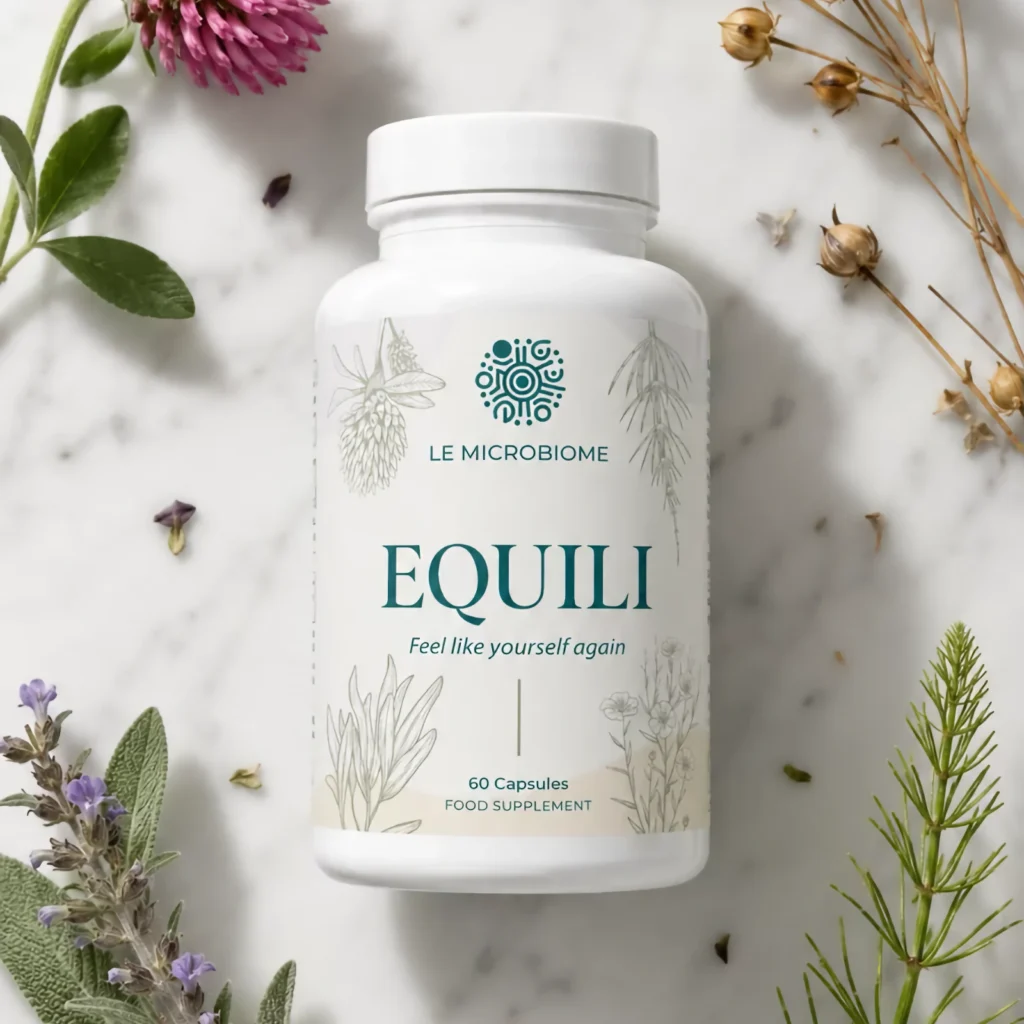
EQUILI Isoflavones – Feel like yourself again
EQUILI is a plant-based supplement formulated for women in perimenopause and menopause.
Two vegan capsules a day provide 40 mg of Red clover isoflavones, the dose used in the longest safety study, together with Sage, Horsetail and Flaxseed lignan extracts, each at a declared strength.
Read next
Safety
Red clover side effects and who should avoid it
What the three-year safety study found, the medicines that interact, and who should ask a doctor first.
Trials
Sage for night sweats: what the trials found
Four studies, the doses they used, how long they took to work, and the honest reading of the meta-analysis.
Microbiome
Does menopause change your gut microbiome?
The estrobolome, the largest study so far, the meta-analysis that disagrees, and why your bacteria decide whether isoflavones and lignans work.
Common questions
Are the ingredients tested?
Yes. Every ingredient batch arrives with a certificate of analysis from the supplier’s laboratory covering identity, active content and contaminants, and EQUILI is made in an EU facility working to GMP and HACCP.
The Quality and Standards page explains what each certificate covers.
Is EQUILI standardized?
The two ingredients with a recognized marker compound are: red clover to 20% isoflavones (40 mg per daily dose) and horsetail to 7% silica (8.4 mg).
Sage and flaxseed are 10:1 concentrated extracts with a declared extract weight, since neither has an agreed marker.
All four amounts are printed on the label.
Can I take EQUILI with HRT?
Ask your doctor first. Red clover isoflavones act on the same receptors that HRT does, and no trial has tested the two together.
The same applies to tamoxifen, aromatase inhibitors and the contraceptive pill.
Our red clover safety article and the Help Center cover this in detail.